A selection of my comics, poetry comics, and other illustration work – All images copyright Julian Peters – contact: info@jpeterscomics.com – Follow me on instagram @julianpeterscomics
Here to whet your appetite is a video interpretation by Jim Avis of one of the 24 comics adaptations featured in the book: A swirling, swinging-sixties interpretation of William Wordsworth’s immortal “I Wandered Lonely as a Cloud” (1804):
A video interpretation by Jim Avis of my comics adaptation of Gerard Manley Hopkins’ “God’s Grandeur,” featuring a most distinguished and particularly well-enunciated reading by none other than His Royal Majesty, King Charles III.
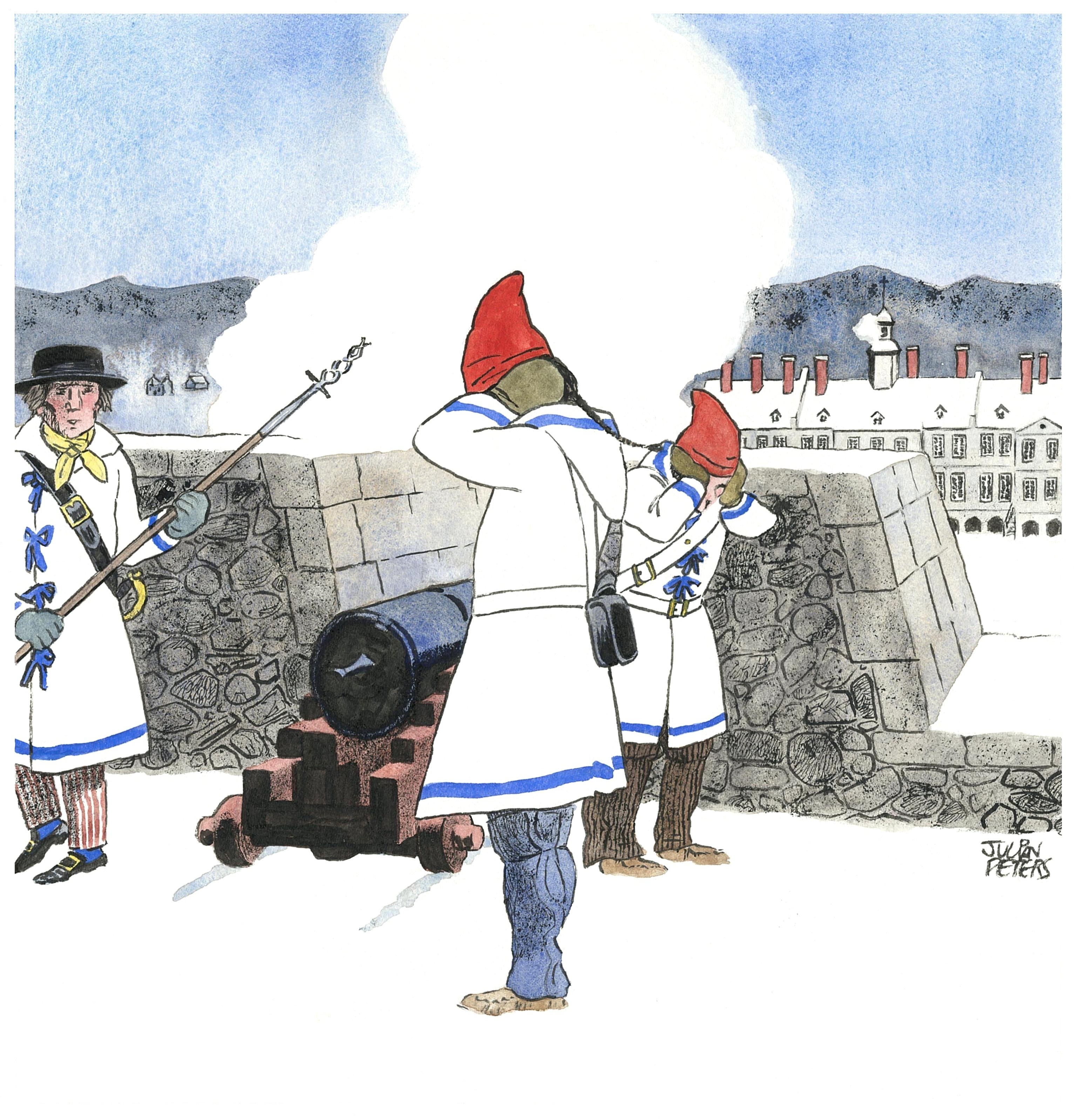
Cap-aux-Diamants is a French-language magazine dedicated to the cultural and social history of Quebec. This is my cover illustration for their Summer 2025 issue, which is dedicated to the siege of Quebec City by the revolutionary American army in the winter of 1775-1776.
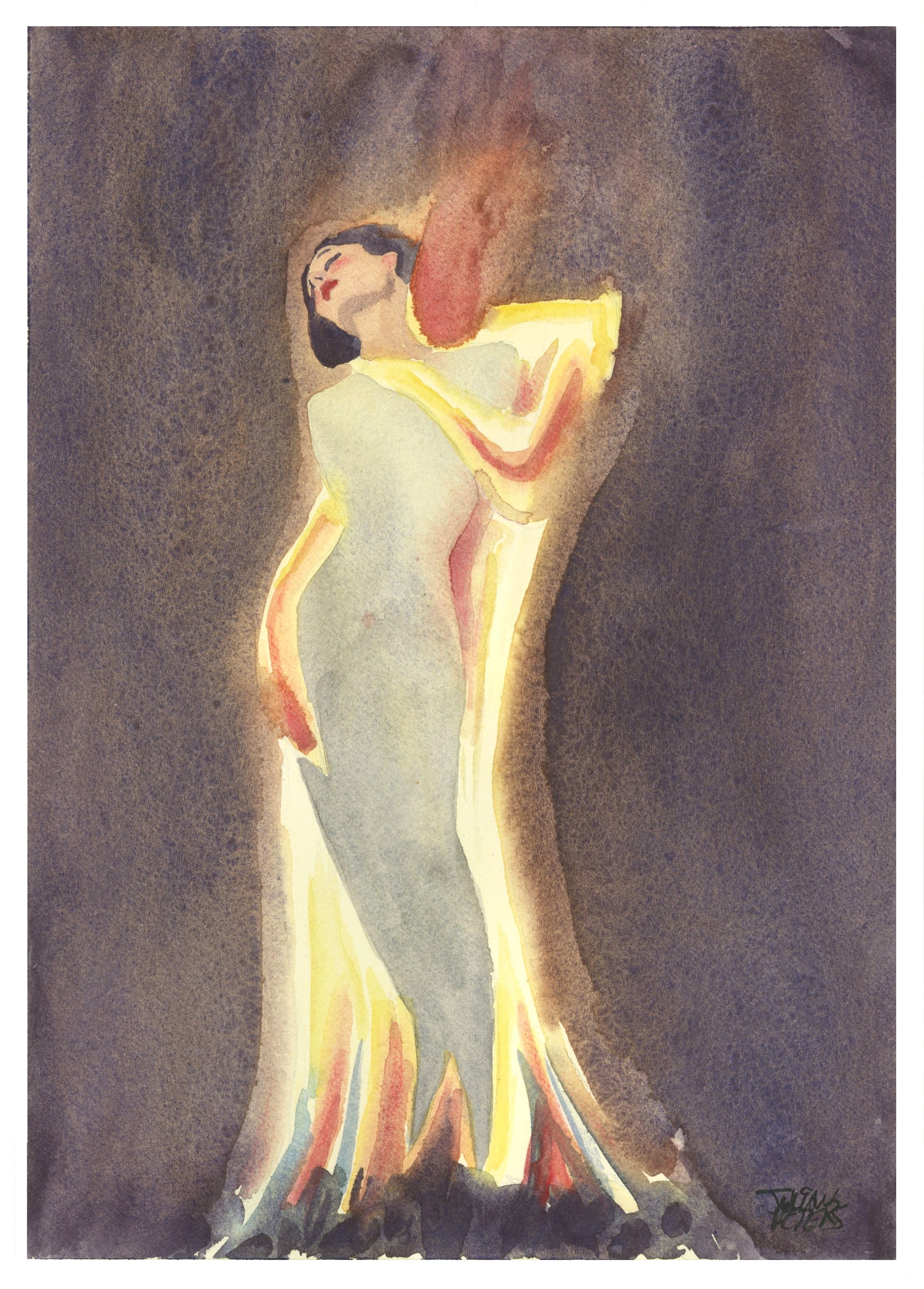
(An illustration inspired by Italian poet Giuseppe Ungaretti’s 1916 poem “Stasera” (“This Evening”). The text, which was composed while Ungaretti was a soldier in WW1, could be translated more or less as follows: “A balustrade of breeze/This evening upon which to lean/My melancholy.”)
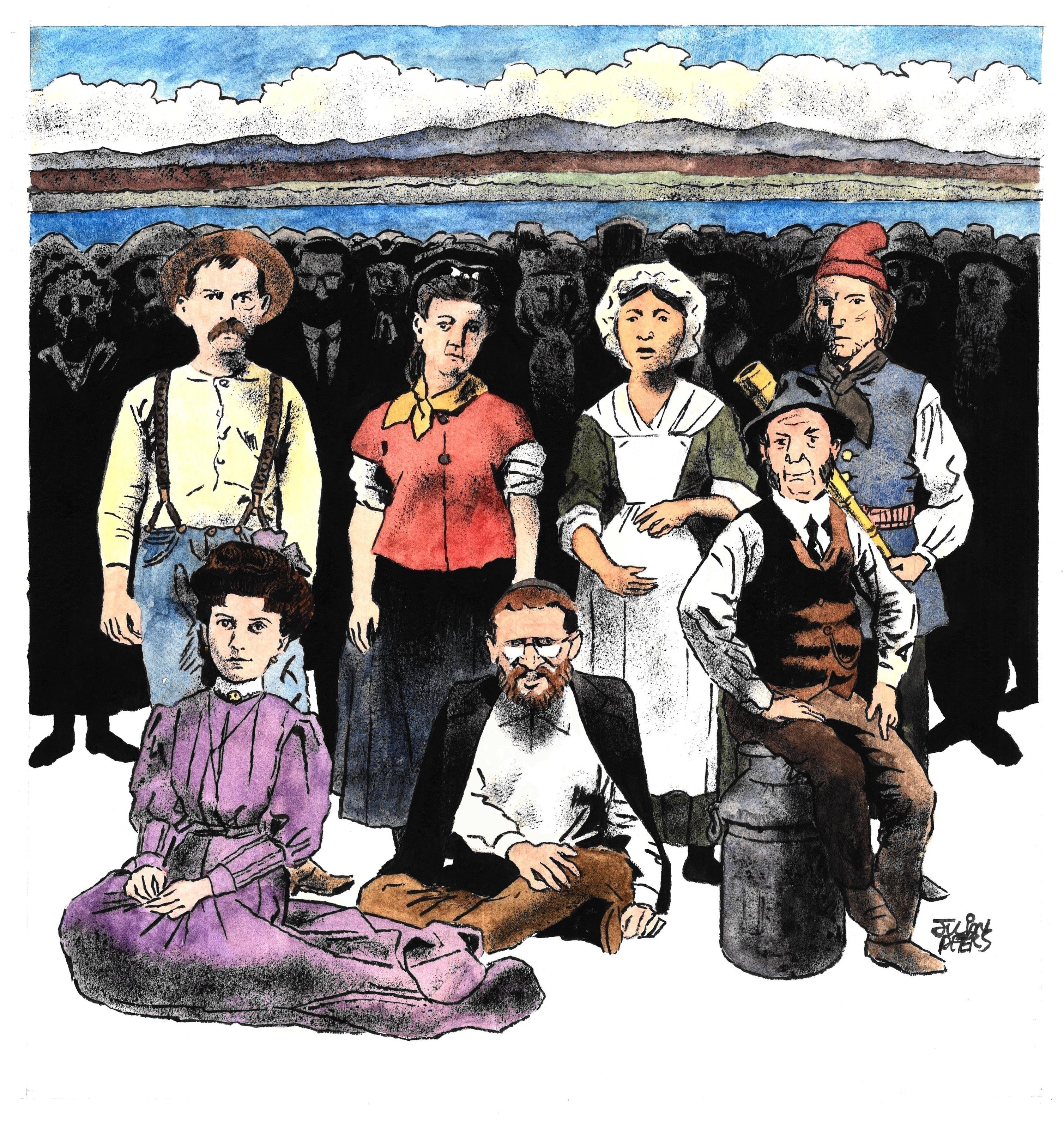
Cap-aux-Diamants is a magazine dedicated to the cultural and social history of Quebec. This is my cover for their just-released Spring issue, illustrating an article titled “Sept vies retrouvées — un projet de microhistoire” (Seven lives rediscovered — a microhistory project). Following meticulous archival research, the authors of this article retrace the lives of seven little-known or even wholly unknown figures from all walks of life in Quebec history, offering up new perspectives on the province’s past.
If you would like to order a copy of this issue, you can do so here.
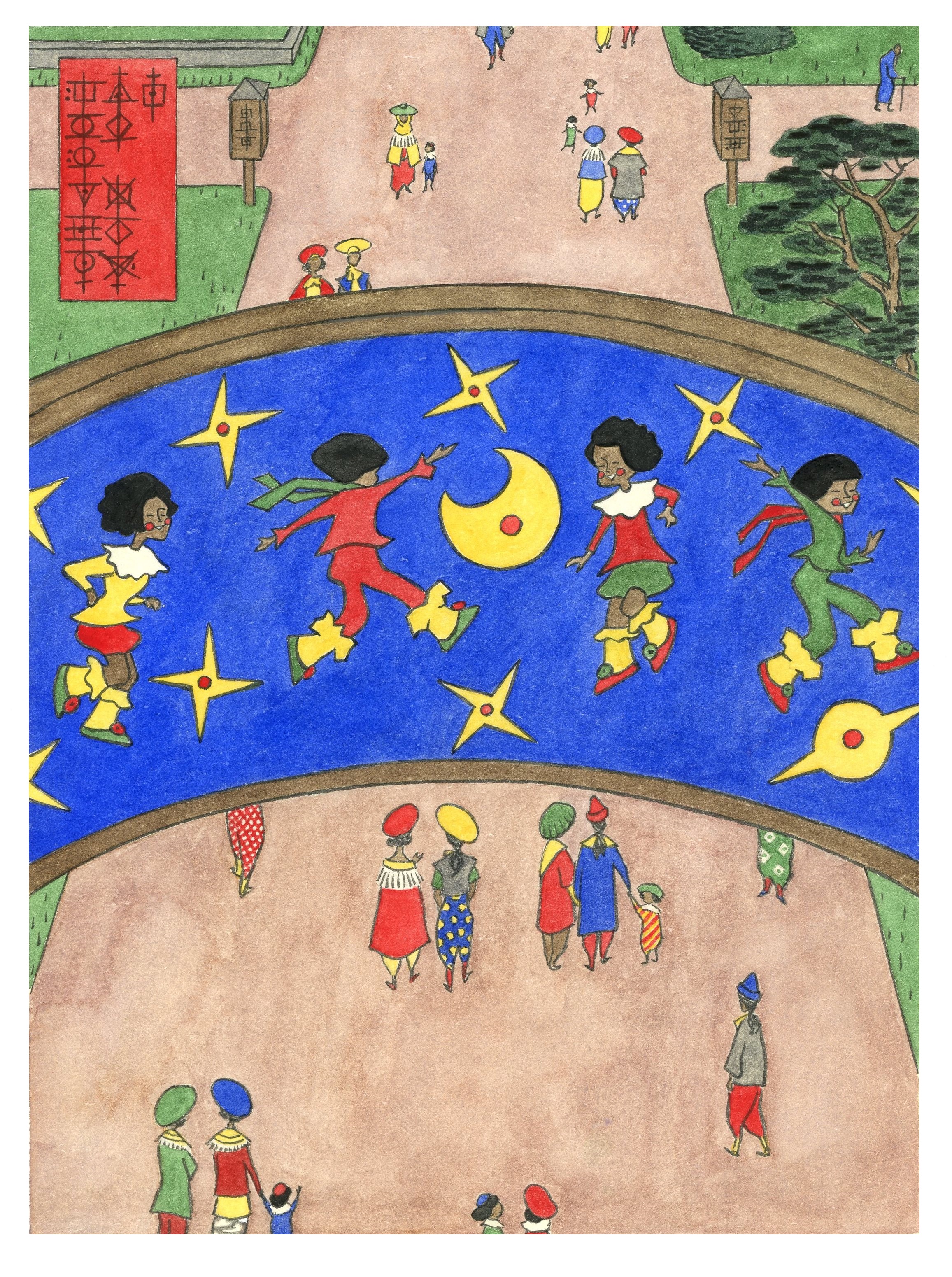
Rateliska Sesquicentennial Park was created to commemorate the 150th anniversary of the transfer of the imperial capital to Sensuka. These magnificent pleasure gardens are located on the island of Rateliska, which lies directly across Rejoma Bay from the Korkidéh district, at the southwestern end of the city. One may reach the island via the ferry boat that leaves from Karipaza Square (See n. 23) and which disembarks directly at the entrance of Rateliska Park.
Marking this entrance is a wooden arch supported by two stone pillars. Running along the arch is a painted frieze depicting little girls and boys at play against a star-studded blue background. In this print, the artist has placed the frieze at the very centre of the composition, as though to call special attention to it. This may seem surprising, given that the painting would appear to be of little intrinsic aesthetic interest—an assemblage of generically ebullient child figures in conventionalized poses, executed in a popular commercial style from fifty years ago. The bright, primary colours are typical of that era as well, although the pure ultramarine background is perhaps somewhat unusual (It should be noted, however, that the painting is in reality far more faded and weatherworn than as depicted here). The way in which the children seem to be running and jumping amid a wholly immaterial landscape composed only of sky, stars, and planets, can also perhaps be momentarily arresting. Such cosmic playgrounds were also very much an aesthetic trope of the period, however, almost to the point of cliché.
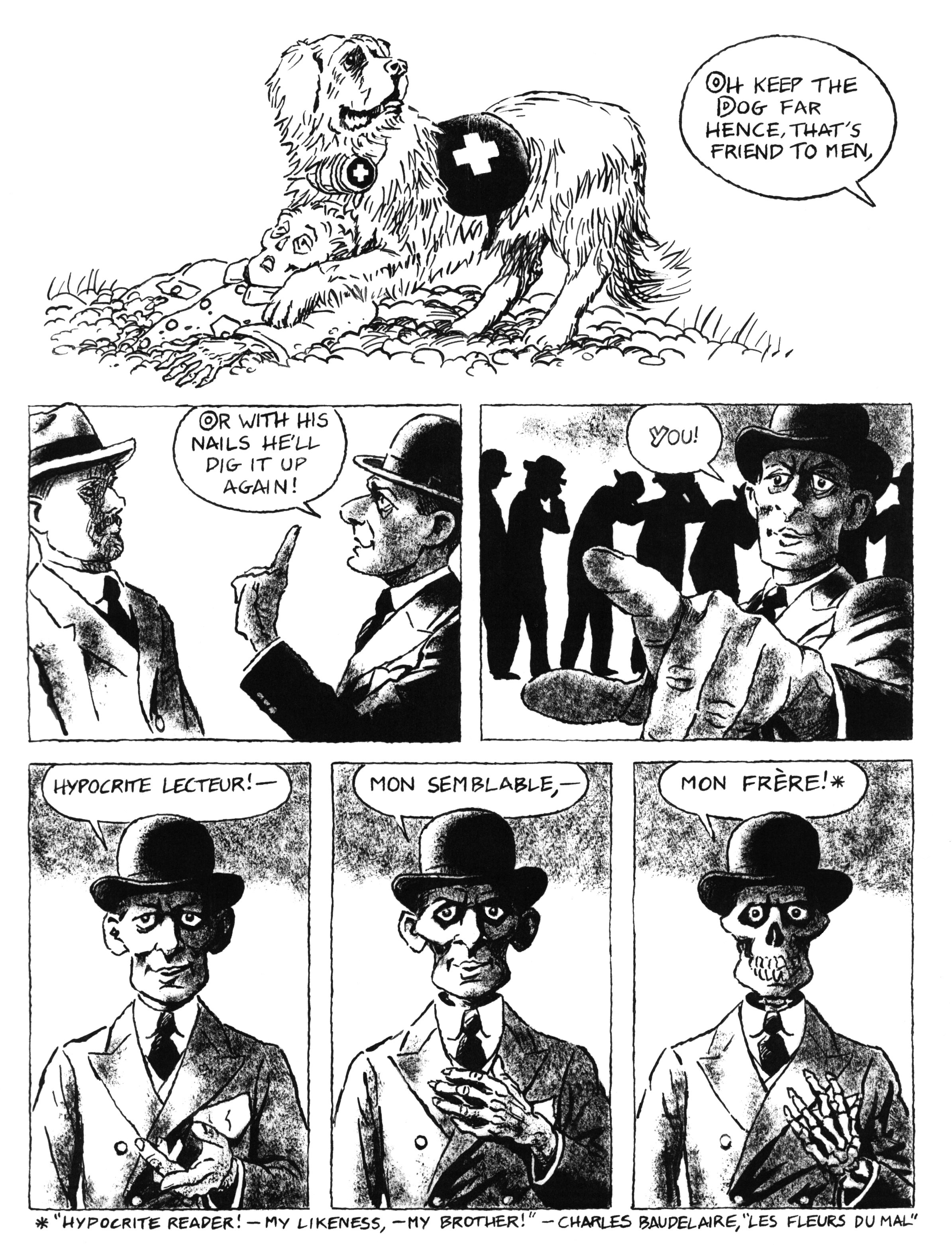
Vidietteer Jim Avis is back with a animated adaptation of my own recently-completed comics adaptation of “The Burial of the Dead,” the first section of T. S. Eliot’s immortal classic, “The Waste Land.” The imagery is paired with a recital of the poetry by Eileen Atkins and everyone’s favourite aristocratic British sex symbol, Jeremy Irons.
At long last, here is the final page of my comics adaptation of “The Burial of the Dead,” the first section of T. S. Eliot’s epochal poem “The Waste Land” (Click on image to enlarge).


 julian peters comics